

Hi, I'm Eric.
I’m an avid world traveler, photographer, software developer, and digital storyteller.
I help implement the Content Authenticity Initiative at Adobe.
Hi, I'm Eric.
I’m an avid world traveler, photographer, software developer, and digital storyteller.
I help implement the Content Authenticity Initiative at Adobe.
11 October 2023
This week I’ve been attending Internet Identity Workshop (warning: that link is mostly deeply geeky). This event is held twice a year at the lovely Computer History Museum in Mountain View, California, which recounts the formative years of our tech industry.
One of my teammates made the suggestion that I should take a few moments out from the conference and explore the exhibit halls at CHM.
It was such good advice. Here are some highlights from my journey through the museum:
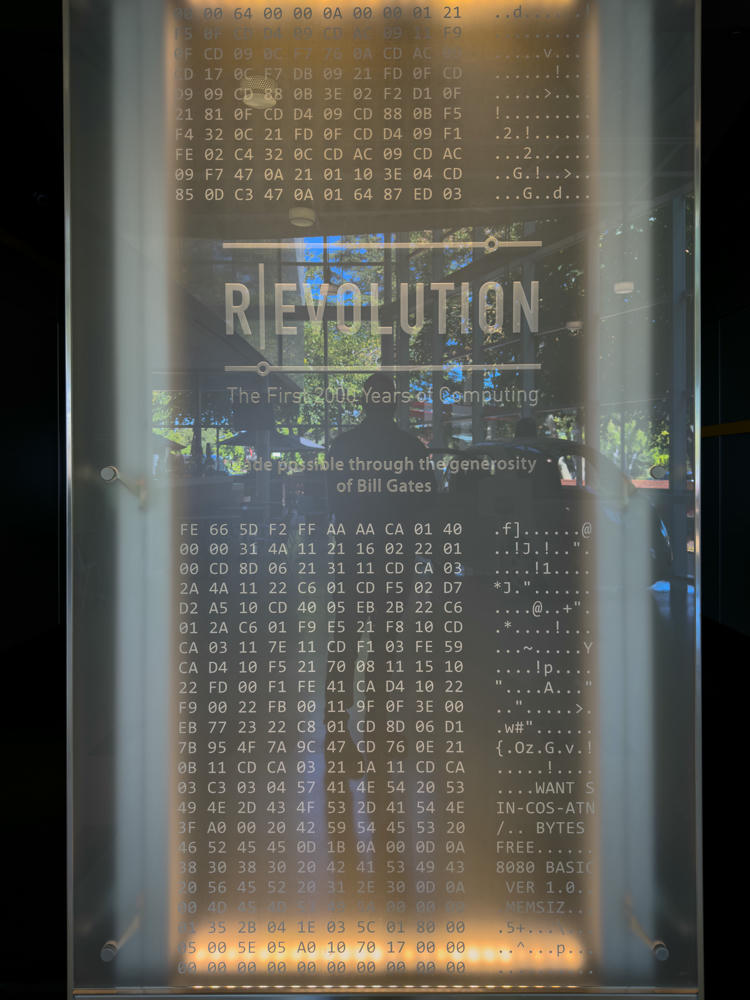
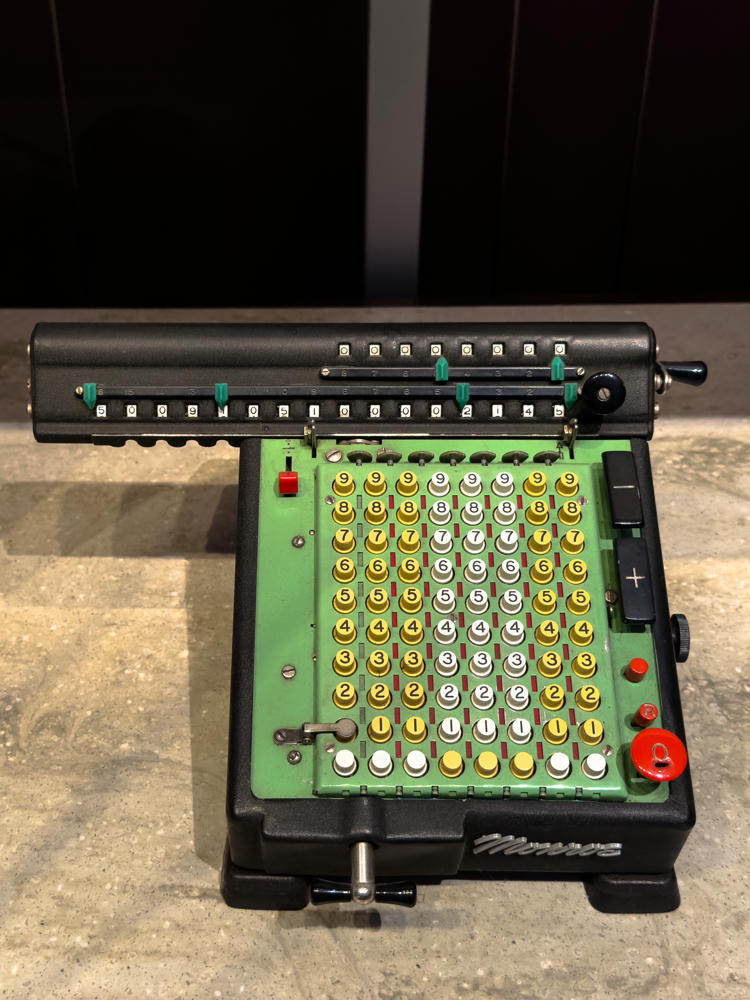
My grandfather had several “adding machines” similar to this that he used in his accounting business. I remember being endlessly fascinated with them.
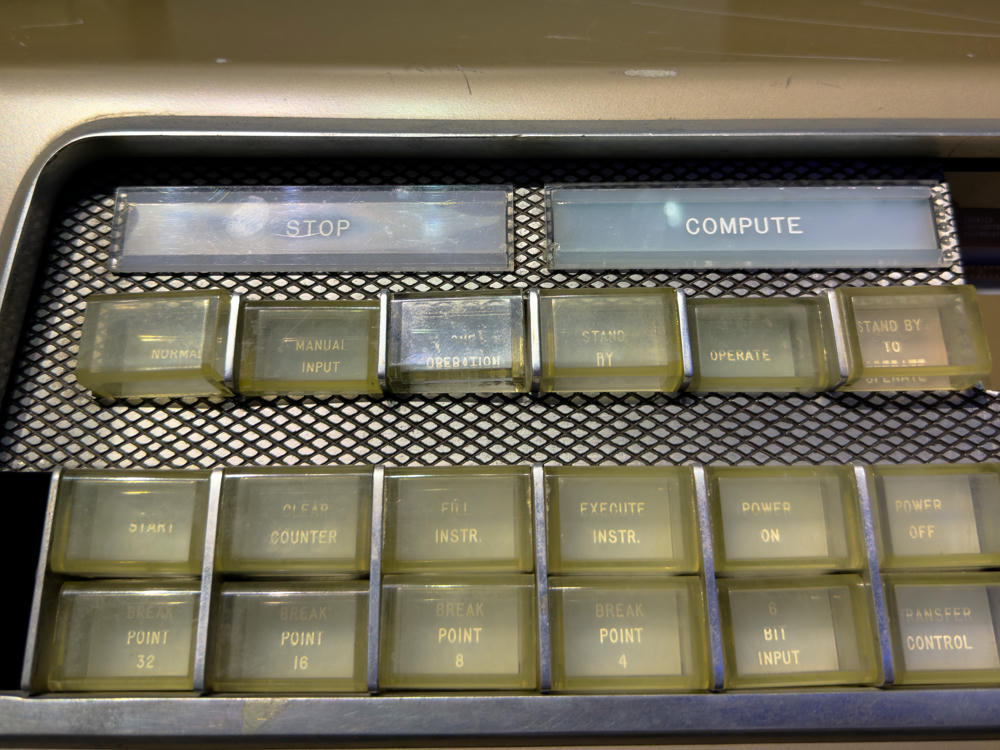
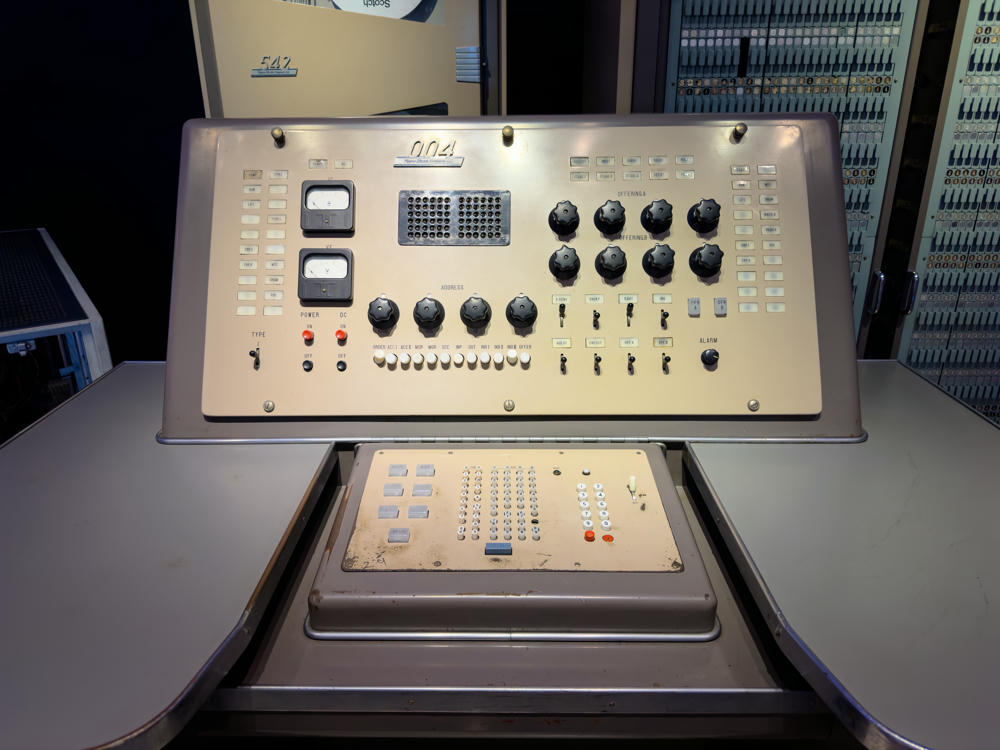
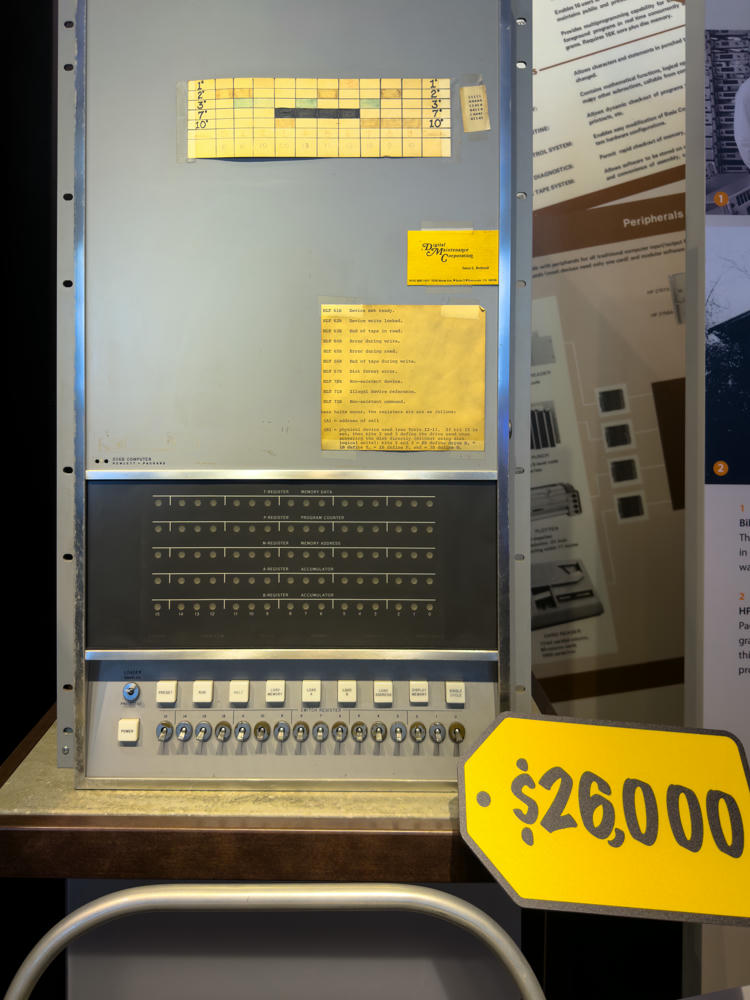
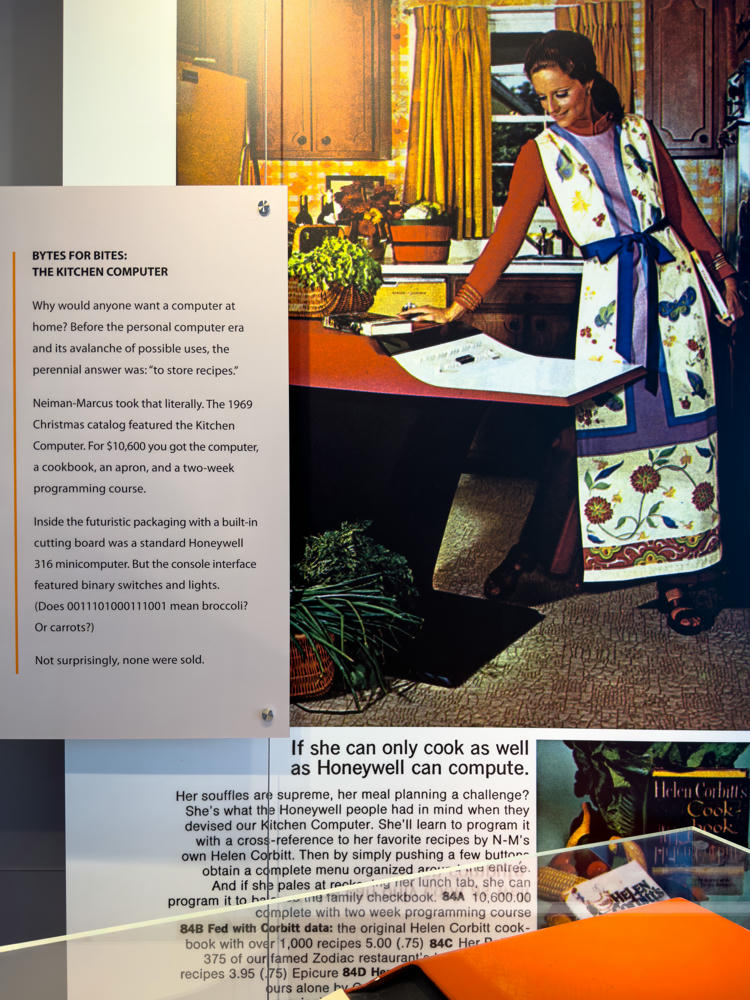
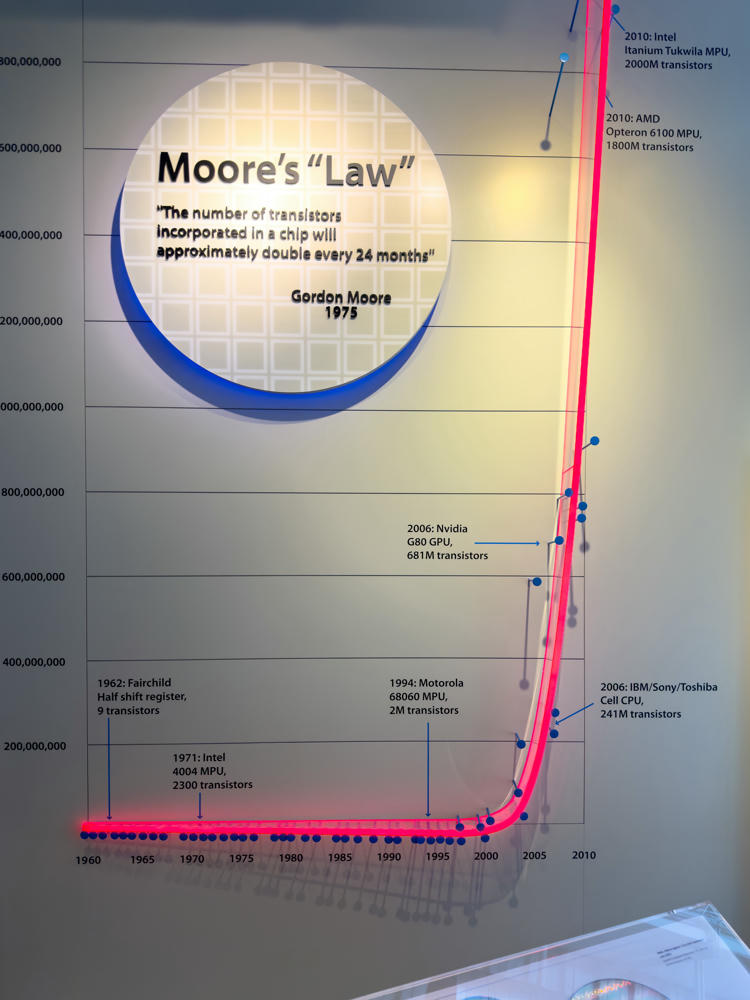
This chart ends at 2011. If the computer … camera … phone I used to make this photo were on this chart, I think it would be well beyond the atmosphere. Things have advanced so much in the last 12 years.
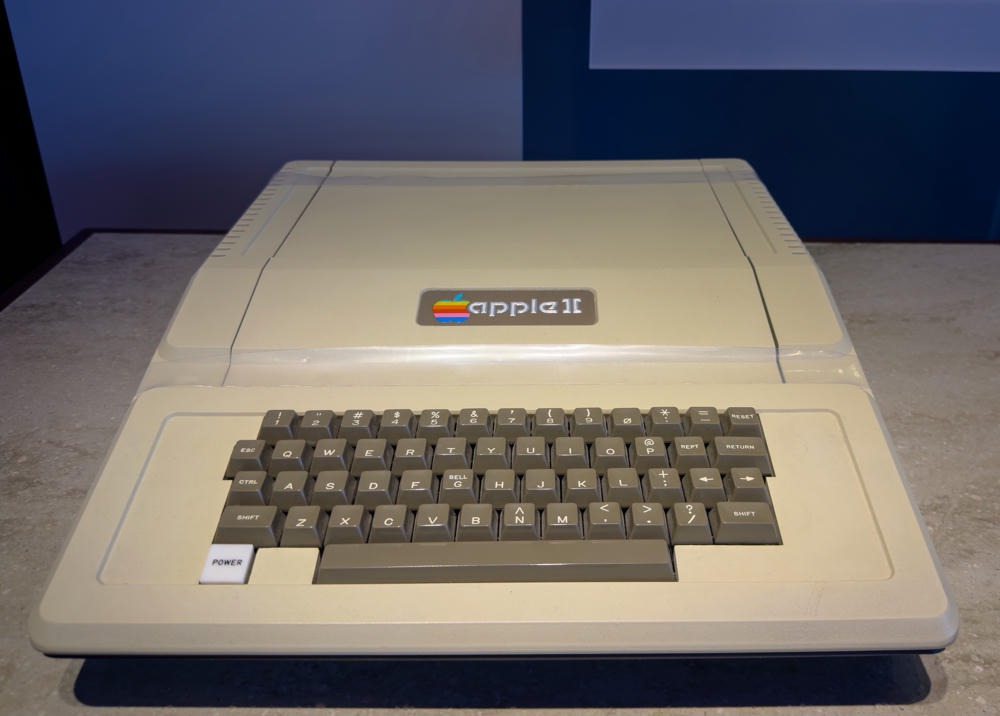
And … this is where it gets awkward. This computer is where I cut my teeth. It wasn’t even my first computer. That was two years earlier.
And now … it’s a museum piece. Uff.
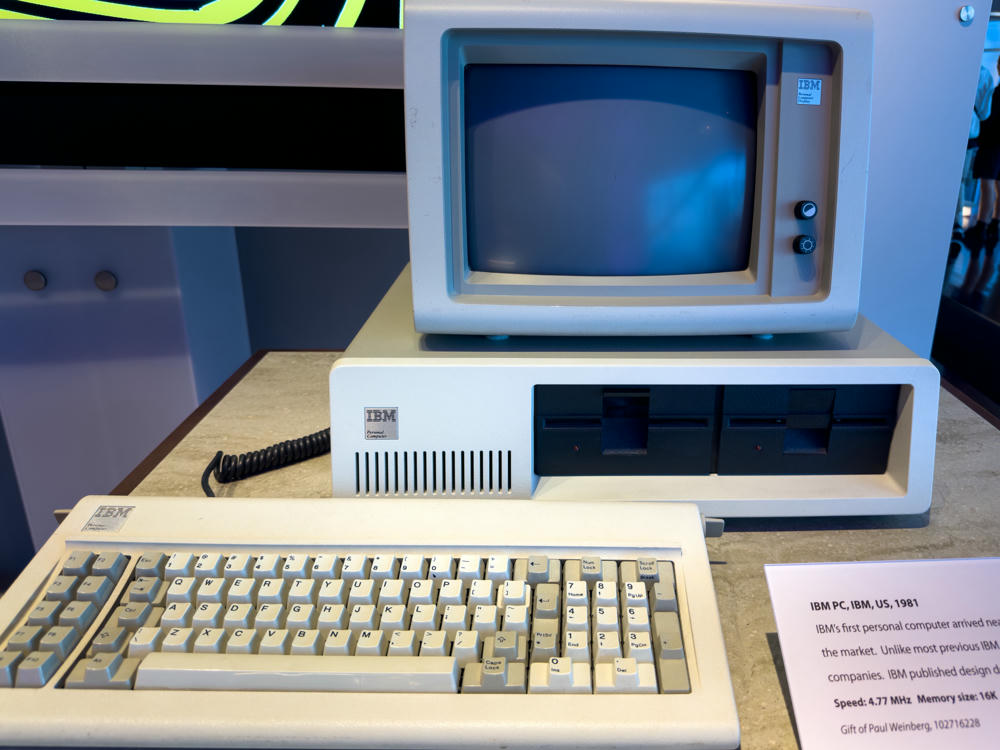
This one, too:
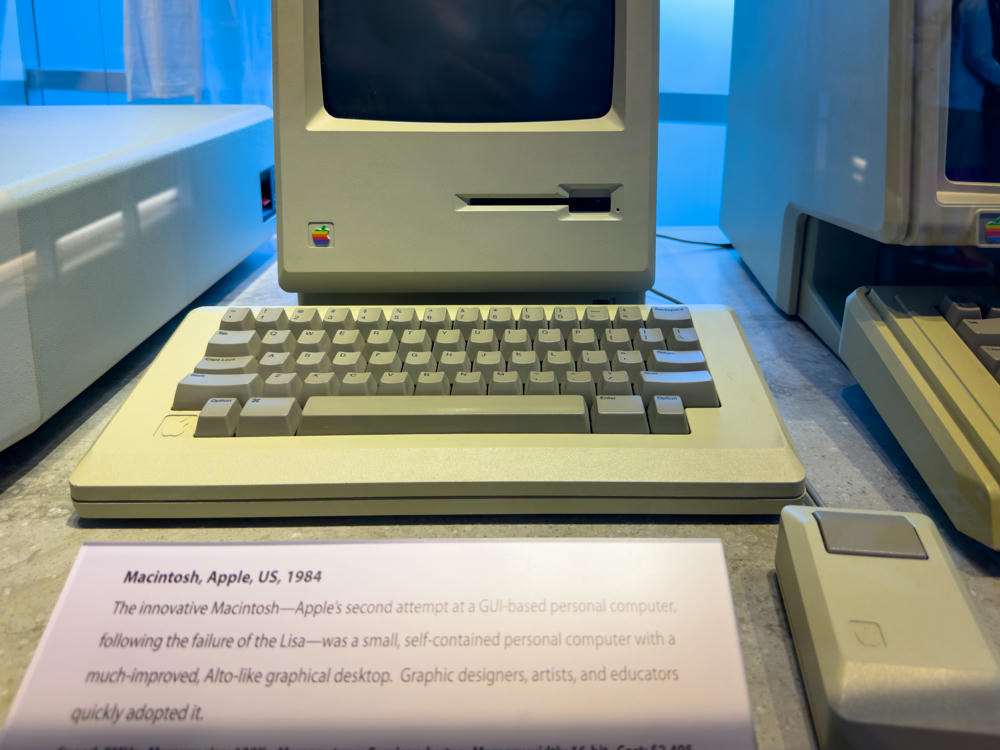
I was still in high school when the original Macintosh was released and it was not in our budget at the time. I remember being so excited to have access to Mac Plus computers in the “computer lab” two years later when I started as a freshman at the University of Minnesota.
Oh, and I really wanted a Commodore Pet. Never managed to land one.
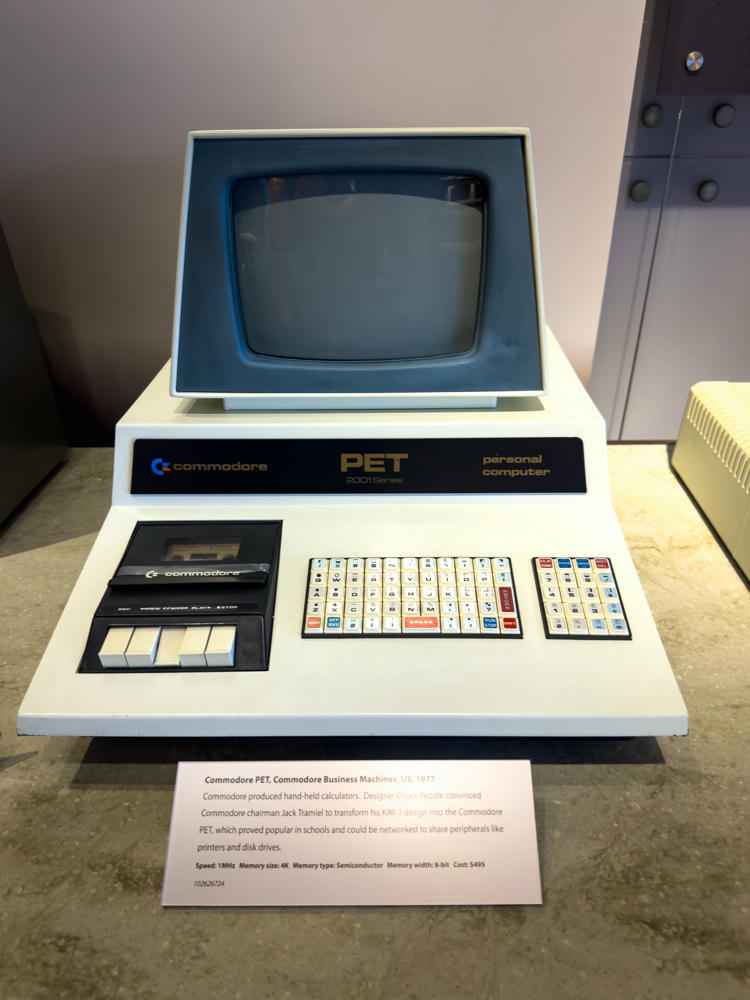
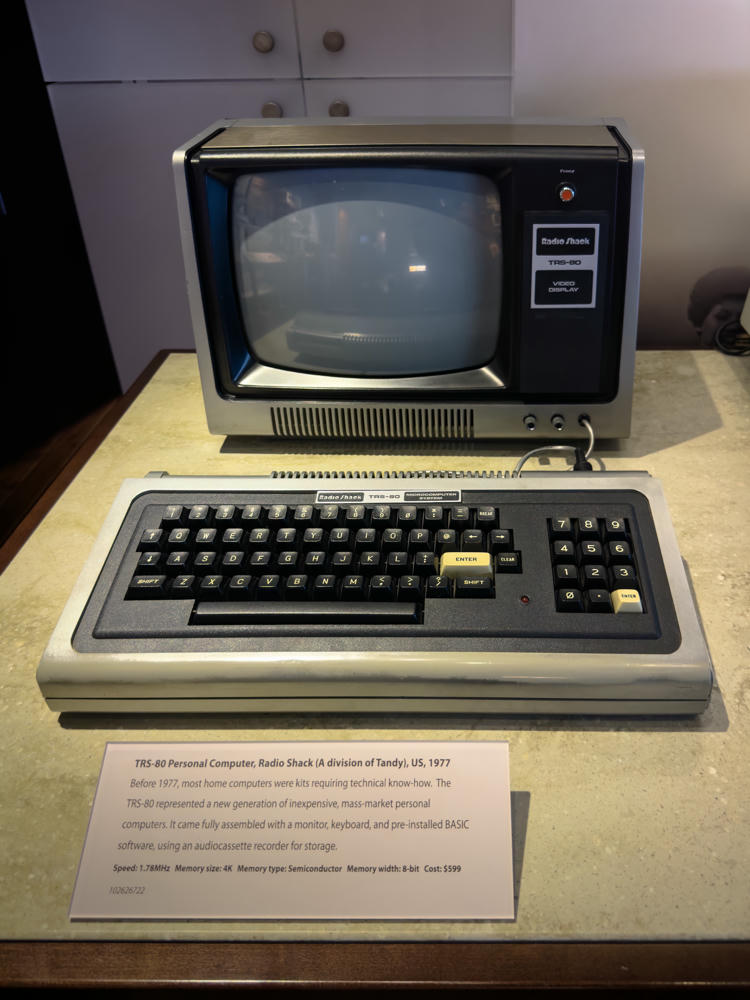
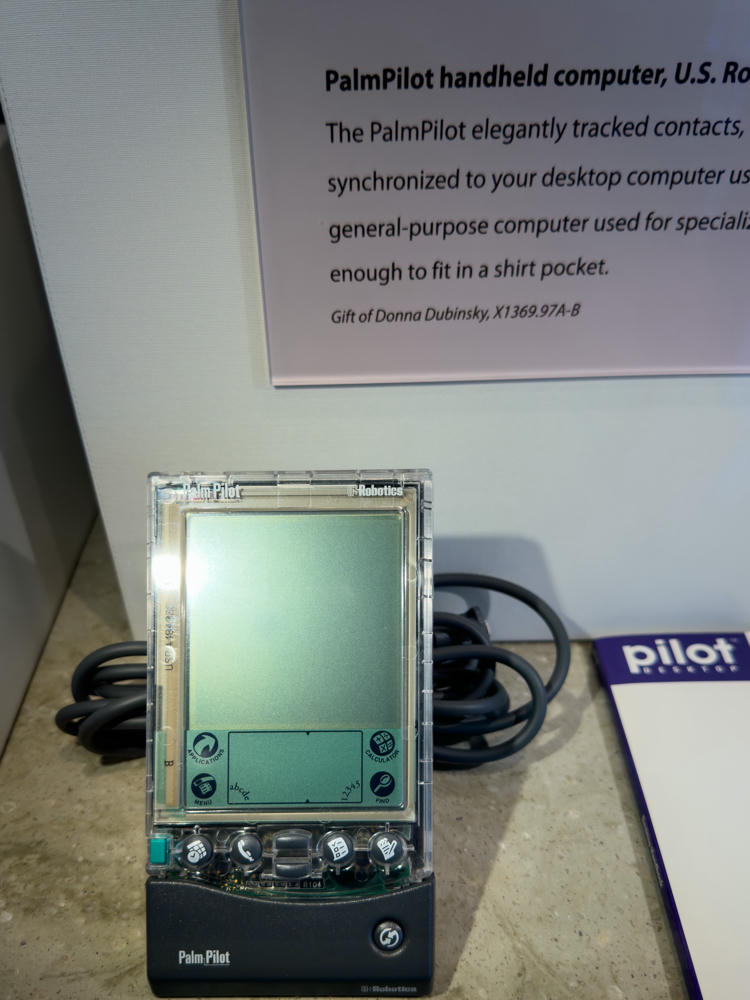
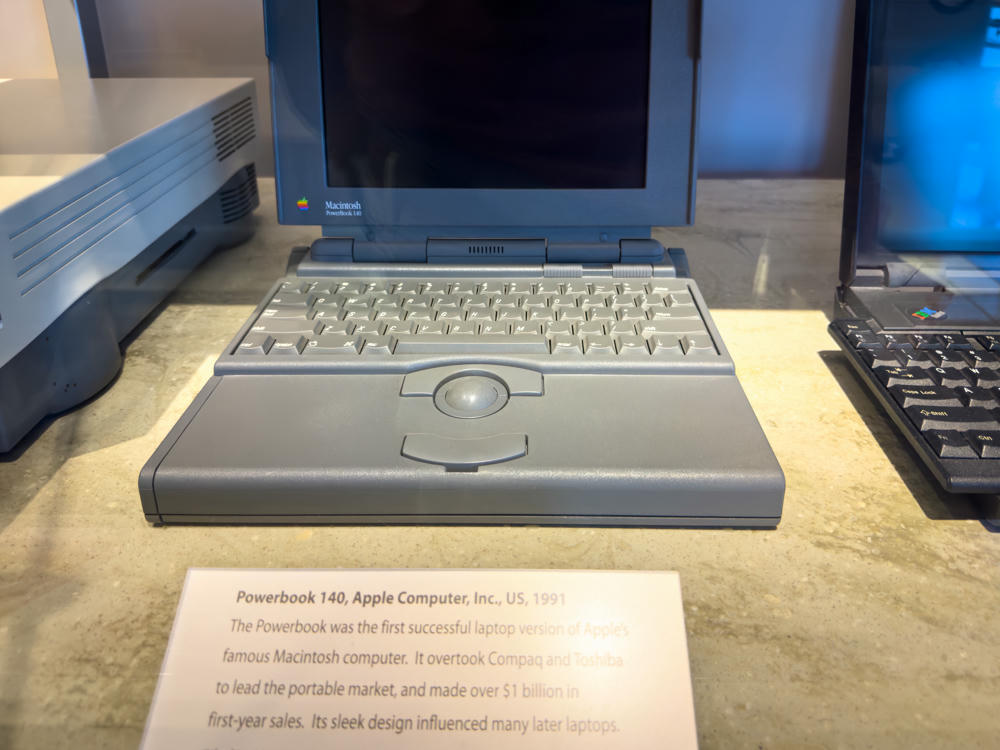
Not sure if I had this exact model, but I definitely remember having one of the early Powerbooks as my main personal computer around this time.
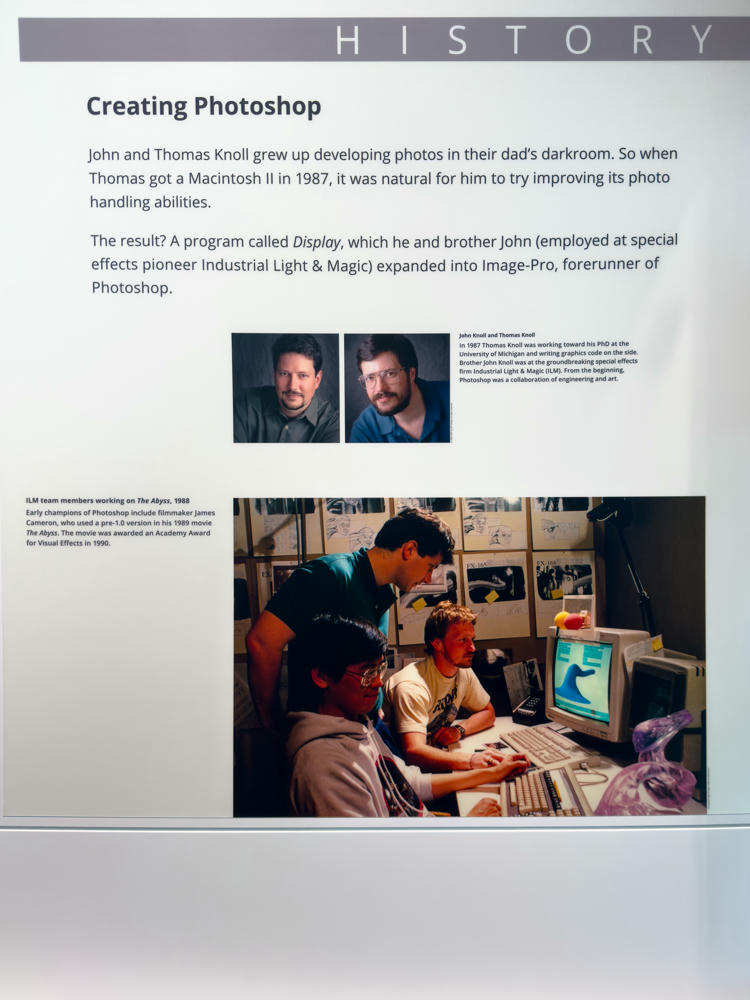
It would be some years later when I joined Adobe, but I’ve had the chance to meet at least one of the Knoll brothers and to contribute on several occasions to Photoshop. After all these years, it still feels rather heady to say that.
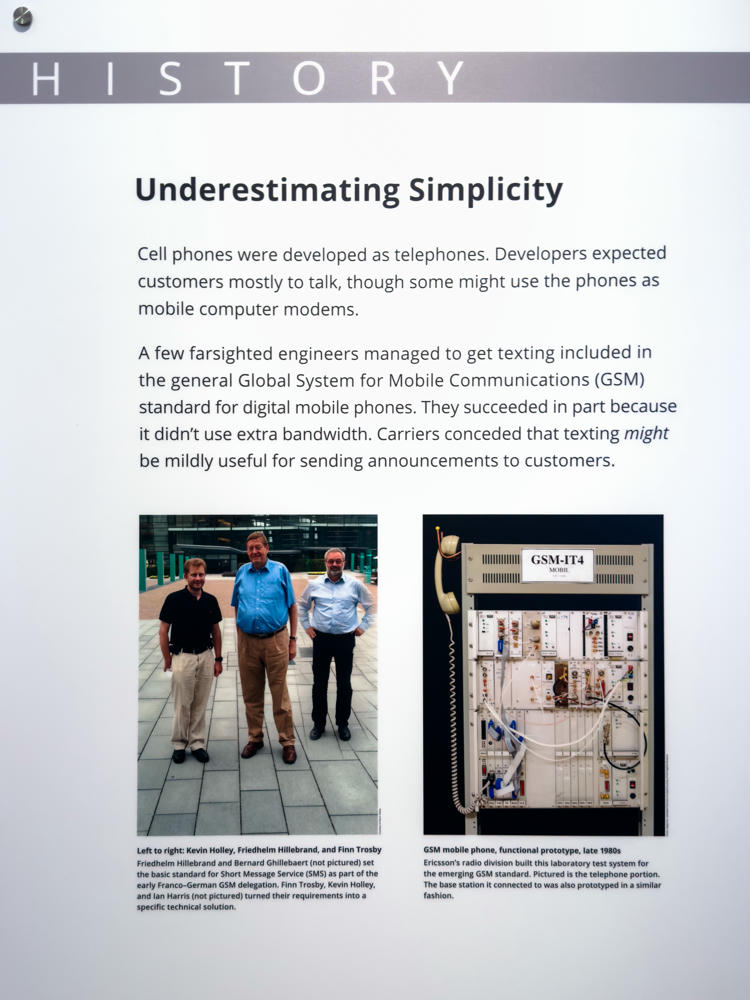
“Texting might be mildly useful …” Understatement of the century!
 button to adjust the map’s position and zoom.)

Subscribe to my free and occasional (never more than weekly) e-mail newsletter with my latest travel and other stories:
Or follow me on one or more of the socials: